
234.3K
Downloads
786
Episodes
A movie analysis show looking at your favorite cult and genre films from across cinema history. Each week, Dustin, Arthur, and Dalton try to apply academic rigor and critical analysis to the films you wouldn’t talk about in a film studies class while having a few laughs along the way. It’s the conversations you have in the lobby of the multiplex with a little more room to breathe, and the occasional footnote. Stay tuned to the feed for bonus episodes on new releases.
Episodes
Jan 30, 2017
Jan 30, 2017
1hr 4 min
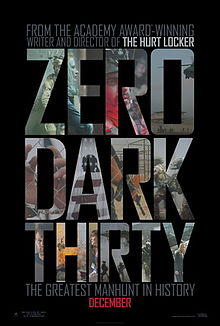
Hello and welcome back to your favorite film analysis podcast! That's right, GTGC returns with the final installment of 2017's Anti-Trash marathon with a look at Zero Dark Thirty. We decided that a former Academy Award nominated film would be a good way to wrap up our marathon. Caleb, Dalton and Dustin gather around to disect Kathryn Bigelow's dynamic look at 9/11 and the hunt for Bin Laden.
As the show gets underway, the team offers their quick reviews of the movie before moving into the weekly game. Using The Hurt Locker, Zero Dark Thirty and her upcoming film as a jumping off point, the gents decide to talk about potential films Bigelow could direct. So, they name off "Movies Based Off of Real Events" that they would like Bigelow to direct.
As we get down to our regularly scheduled film analysis business, the gents enter a round table discussion. Each host had a commentary to present, but each had thoughts on the other comments. So, round table it is. Dalton kicks the discussion off by examining the feminist ideals of the film. He mentions that the film doesn't back away from Chastain's femininity while presenting a strong female character. He points to some formalist techniques that support his ideals.
Caleb wants to look at the film from the Post-9/11 angle. He argues that it is important to understand that this film is more about the aftereffects of 9/11 and not just the hunt for Bin Laden. He examines the ideas of vengeance and revenge and what type of relief that truly brings, if any. Dustin opens the floor to a discussion on the film's stance on torture. The gents examine whether the film is pro- or anti- torture and how well those stances are portrayed.
And that's a wrap for this week, Dear Listener. Next week, we move out of Anti-Trash and back to the good trash. The randomizer has selected a fun one for us. But, if anything goes wrong, know that we're innocent.
Zero Dark Thirty Timestamps
00:38 -Welcome and Introductions
04:11 - Synopsis and Reviews
15:38 - The Game - Historical Event Films Directed by Bigelow
26:36 - Social Media
28:13 - Analysis
57:43 - Shelf or Trash/Else or Instead
1:02:18 - Wrap Up
Jan 23, 2017
Jan 23, 2017
52 min
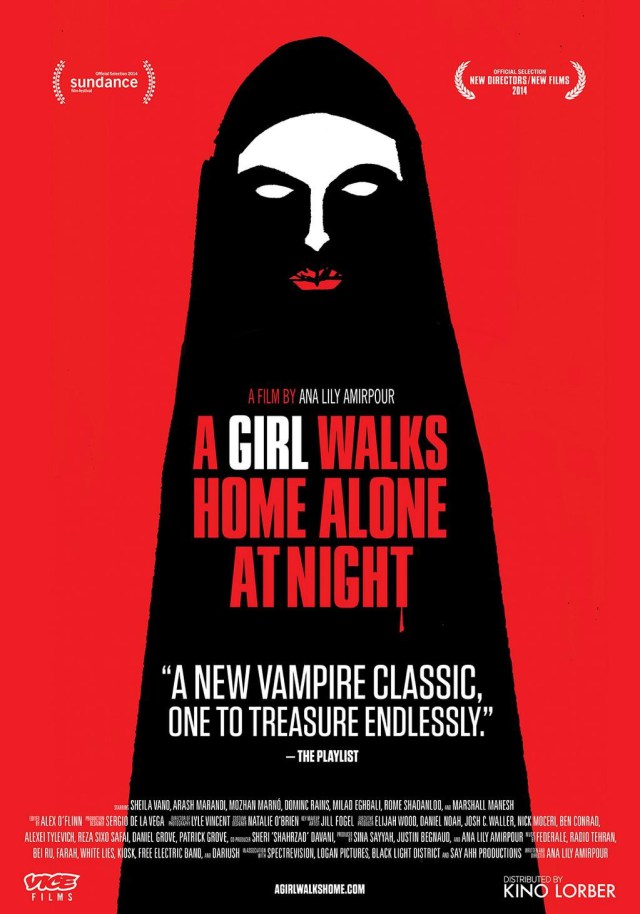
Your favorite film analysis podcast is back again as the Anti-Trash Marathon rolls on. This week, Alex has a host pick and she chose the Iranian-American vampire film, A Girl Walks Home Alone at Night. Aside from Dustin, nobody else at the table had seen the film, which is always fun.
Before we throw A Girl Walks Home Alone at Night on the film analysis table, we have to play our game. On this week's episode, we talk about "Movie Monsters We Want to Fall in Love With". It is a convoluted title for a convoluted game, but it is a lot of fun.
As analysis gets underway, Dalton kicks things off by looking at relationships. He talks about how when people are involved in interpersonal relationships, the people involved take on each other's baggage. He also speaks to the cat in the film as a symbol of this baggage that is shared.
Alex zigs instead of zags and presents an environmental reading of the movie. She points out some of the political imagery of the film and how it reinforces the environmental themes at play. Dustin wraps things up to talk about the film watching experience and spectatorship. He discusses the intertextual references of the film and how that impacts the viewer's experience. He argues that depending on how much film the viewer has seen they will have a different experience.
That's it for this week's show. The sun is coming up and we need to get back inside, hit play and come in... If you'd like.
A Girl Walks Home Alone at Night Timestamps
00:38 - Welcome and Introductions
03:09 - Synopsis and Reviews
17:12 - The Game - Monsters You Want to Love
24:37 - Social Media
26:19 - Analysis
43:27 - Shelf or Trash/Else or Instead
50:37 - Wrap Up
Jan 16, 2017
Jan 16, 2017
1hr 4 min
Editor's Note: Due to a technical issue, this is our first episode back. We recorded this episode as the second entry in the Anti-Trash Marathon, the first was to drop last week but the file messed up and we were unable to get that episode posted. It'll forever join a handful of other films as one of the few lost GoodTrash episodes.
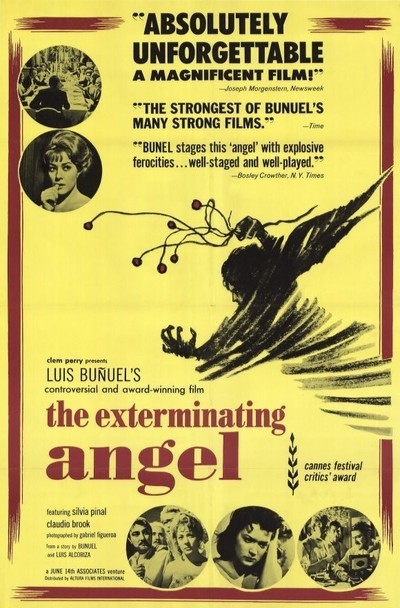
Welcome back dear listener! The Anti-Trash marathon continues this week on your favorite film analysis podcast, the GoodTrash GenreCast. This week, we take on Luis Bunuel's surrealist dinner party classic, The Exterminating Angel (1962). Dustin presents a quick rundown of Bunuel's career and what shaped this influential classic. Is it worth the wait time? Or should you cut out early? Find out as we apply our style of film criticism to The Exterminating Angel.
This week's game provides a lot of laughs as we talk about 3 Movie Characters We Wouldn't Want to be Stuck with at a Dinner Party. We then move into the film analysis section to breakdown The Extermintating Angel. Dalton kicks things off by talking about Sartes' idea that "hell is other people". He examines the sociological factors of being stuck with other people and how those underlying tensions are cranked to 11 by Bunuel.
Caleb presents his film analysis next by talking about the facade of appearances and the bourgeoisie. He talks about the economic history of the country. He argues that the context of putting it in Spain meant highlighting a country that didn't feel much of the same impact of World War II as other countries. Dustin piggybacks off the conversation before him and looks at the film's critique of fascism. He gives some more historical context of what was happening in Spain. Dustin argues that the bourgeoisie hold up the facade of capitalism.
That's it for this week. Now, we've got to get ready for our upcoming dinner. The table is set, will you hang around?
The Exterminating Angel Timestamps
00:38 - Welcome and Introductions
04:45 - Synopsis and Review
21:00 - The Game - Movie Characters You Wouldn't Want to Get Stuck at a Dinner Party With
30:22 - Social Media
32:11 - Analysis
56:26 - Shelf or Trash/Else or Instead
1:02:34 - Wrap Up
Dec 19, 2016
Dec 19, 2016
1hr 6 min
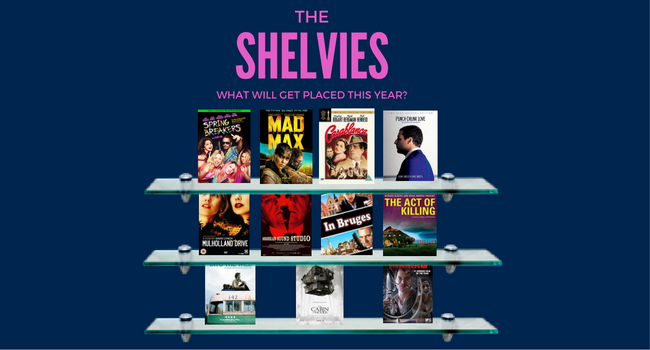
The red carpet is out and the GTGC crew is dressed to the nines. This week, we wrap up 2016 with a retrospective as we look back at the best and worst moments of the GoodTrash GenreCast. In our 4th annual Shelvies Award Ceremony, all five hosts get around the table. Arthur, Dalton, Alex, Caleb and Dustin sit down to speak about the best movies they watched for GTGC in 2016. They also talk about the movies they wish could be erased from their brain.
Every year, the GoodTrash GenreCast gathers around to hand out a number of awards; Best Worst Movie, Favorite Discovery, Once More with Feeling, and more. They also determine the movie that deserves to sit on the platinum shelf. A movie that is worthy purchasing and must be seen and must be part of your personal conversations.
This year, there are several shocking awards. Dalton finally shows character growth as he does the unthinkable and shocks everyone with his Platinum Shelf winner. Caleb continues to try and defend Transformers in the face of adversity. Alex literaly partakes of candy on air. Arthur destroys a film that was a pop culture phenomenon. And Dustin tries to keep the whole thing on the rails.
We thank all of our dear listeners for tuning in over the last 12 months. We hope you've had as much fun on this journey as we've had. Next year, we have some special things in mind to try and stretch ourselves even farther while trying to grow and increase the conversation about film and those who make it. We will return in January 2017 with our 5th annual Anti-Trash marathon.
So, until then have a wonderful holiday season and a great New Year!
Dec 12, 2016
Dec 12, 2016
1hr 1 min
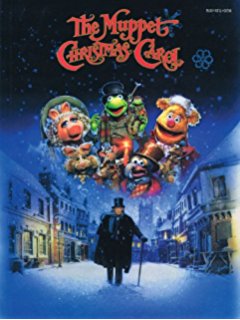
Merry Christmas and Happy Holidays! This week, the GoodTrash GenreCast has been taken over by those wacky Muppets. Caleb Master's used his host pick power to make us break our "No Christmas Films" rule and forces us to bring film analysis to The Muppet Christmas Carol. Is it a trip down nostalgia lane? Or, does the adaptation have us saying, bah! Humbug!
The discussion gets underway as we highlight our desired Muppet Literary Adaptations. There are a lot of great suggestions, but we'd also love to hear your ideas on social media. Analysis gets underway as Caleb gives us a rundown of the Muppets and what they're about. Alex chimes in with the rules of portraying the Muppets in media. Dalton applauds the Muppets for their ability to introduce young children to classic art and literature. He claims that it is important to grow culturally and that having these art pieces as vocabulary is key to that.
Alex presents her analysis and looks at the production of The Muppets Christmas Carol and the editing of the film. She expounds on the history of the productions and explores why certain songs were cut from the film. Dustin wraps up the analysis of The Muppets Christmas Carol by talking about Charles Dickens and charity. Dustin then brings up Bleak House and how people can make a proper change and truly help those in need.
And there you have it! The 2016 GTGC Express is nearing the station. The Muppets Christmas Carol will be our last film of 2016, but we have one more episode in the works for you next week. So, until next time, remember to be nice, and put the Ghostbusters on speed dial, just in case.
The Muppet Christmas Carol Timestamps
00:38 - Welcome and Introductions
04:16 - Synopsis and Reviews
16:05 - The Game - Muppet Literary Adaptations
28:36 - Analysis
54:39 - Shelf or Trash/Else or Instead
1:00:33 - Wrap Up
Dec 5, 2016
Dec 5, 2016
58 min
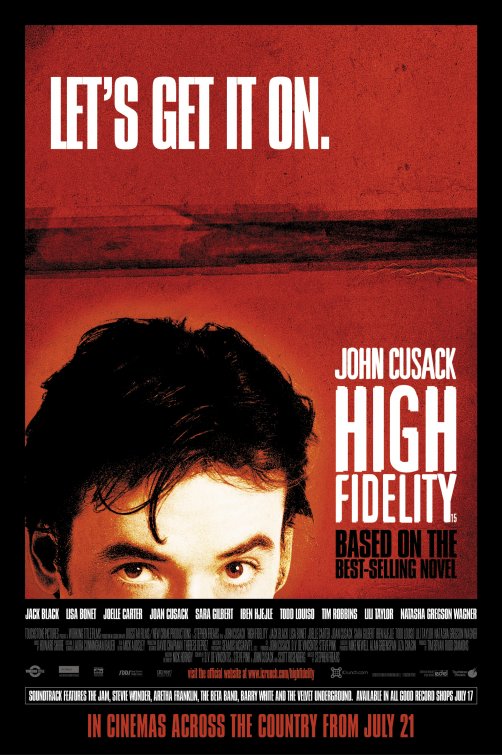
Drop the needle and spin the vinyl, we're back! The GoodTrash GenreCast returns to bring a healthy dose of film analysis to Stephen Frears' High Fidelity. This one is Dalton's host pick. It is one of his favorite movies, but does the rest of the gang agree? You'll have to tune in to find out.
On this week's episode, we kick off with our weekliy game. The game this week is our Top 5 Break Up Songs. We go through all the tunes that got us through those tough times and heartbreaks. We also admit a few guilty pleasures. Following our game, we take High Fidelity off the shelf and out of the sleeve to give it a spin on the analysis table.
Dalton kicks things off with a character study of John Cusack's character, Rob. He explains that by casting ourselves as the wounded protagonist in our minds, we often become our own worst enemy. He argues that the film encourages reflection about how we should behave as humans. Caleb looks at Frears' use of music throughout the film. He looks closely at the connection between music and memory. He argues that Frears' is using the audience's relationship with these songs to trigger a nostalgia trip. Dustin takes the analysis home as he brings up two ideas. First, he mentions a bit of critical theory by talking Walter Benjamin. He then ties these ideas into Rob's search for love and the object of desire.
Alright dear listener, there you have it. What are your Top 5 Break Up Songs? Let us know! So, until next time, go arrange your music chronilogicaly in the order that you met your friends.
High Fidelity Timestamps
00:36 - Welcome and Introductions
05:24 - Synopsis and Reviews
14:00 - The Game - Top 5 Break Up Songs
27:00 - Social Media
29:04 - Analysis
47:16 - Shelf or Trash/Else or Instead
55:23 - Wrap Up
Nov 28, 2016
Nov 28, 2016
58 min
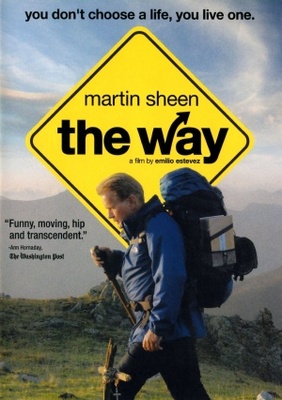
The walk is over, and we've arrived at the GoodTrash destination. This week, on our Patreon sponsored episode, we discuss The Way. Nathaniel Masters, brother of co-host Caleb Masters, donated enough to be able to choose a movie for us. But, that doesn't mean we have to love it. Dustin, Dalton and Caleb try and find the deeper conversation within The Way, but a couple of our hosts are a bit iffy on the quality of the film.
As the discussion gets under way, Caleb appears live via satellite to share his thoughts. The hosts play the weekly game and talk about their favorite and desired family collaborations. Afterwards, they put The Way on the table for analysis. Dalton makes things personal and talks about fathers and sons. He mentions that art is good at critiquing and highlighting familial relationships. He then lifts the veil and reveals the story about the men who raised him and the impact they had on his life.
Caleb talks about the multicultural element of the film. He reinforces the idea of community and working together towards a comman goal. Dustin looks at the bourgeoisie angle the film takes towards spirituality. He draws out the key element of going on a pilgrimage to become a better person. But, he mentions that not everyone can just go on this journey due to economic shortcomings. He says that pilgrimages of the sort within the film are designed for people of privelege.
That's the show, dear listener. Again, we want to say thank you to Nathaniel Masters. If you're interested in becoming a patron and financial supporter, go here. Don't worry, you won't have to make any sort of pilgrimage to donate. Now, get your walking shoes and get ready to go on this journey with us.
The Way Timestamps
00:36 - Welcome and Introductions
05:42 - Synopsis and Reviews
15:58 - The Game - Family Team-Ups
27:03 - Social Media
29:40 - Analysis
51:01 - Shelf or Trash/Else or Instead
55:46 - Wrap Up
Nov 14, 2016
Nov 14, 2016
54 min
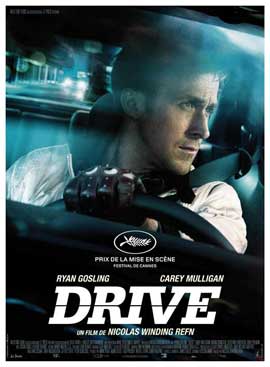
We watched Drive. After four years and 200 episodes, it finally happened. We are thankful to our listeners and friends who helped us get to 200, and here's to 100 more. On episode 200, Alex, Caleb, Dalton and Dustin gather around to disect a film that has become the GTGC mascot. The hosts love Drive, but is it all style and no substance? That's what GTGC is determined to find out.
This week sees the hosts looking forward. The gameplay involves naming movies the hosts would like to see before episode 300. We would love to hear your thoughts on our suggestions. We then shift into overdrive and move into analysis. Caleb kicks things off by talking about the generic Western tropes that shape Drive. He highlights the similarities between the Driver and the nameless gunsllingers of old. He also presents an outline of plot beats that match up narratively with the Western genre. Alexandra takes over to talk about Drive's commentary on action film. She discusses the film within the film and how it is juxtoposed with the intense yet intimate violence present in the Driver's life. She argues that this approach brings more levity to action cinema and violence. This is contrasted with PG-13 action films and the notorious "sleepy-time bullets".
Dalton builds off of these readings by presenting a new opinion on the action hero. He corrrelates Driver with the recent character played by Ben Affleck in The Accountant. He discusses these nameless, socially awkward characters who may be on the spectrum. A point which is blatantly raised in The Accountant, but he argues it can be found in the subtext of Drive. Dustin wraps up the analysis of episode 200 with a breakdown of three key components of genre. He defines prestige, art house, experimental, and avant-garde cinema. He then tries to find a place to put Drive.
And with that, we wrap episode number 200. Thank you for all of your encouragement over the years, Dear Listener. Grab your gloves, sharpen your straight razor, and let's Drive.
Drive Timestamps
00:37 - Welcome and Introductions
04:41 - Synopsis and Reviews
11:04 - Social Media
11:54 - The Game - Top 3 Films Before Ep. 300
23:53 - Analysis
46:31 - Shelf or Trash/Else or Instead
52:34 - Wrap Up
Oct 31, 2016
Oct 31, 2016
47 min
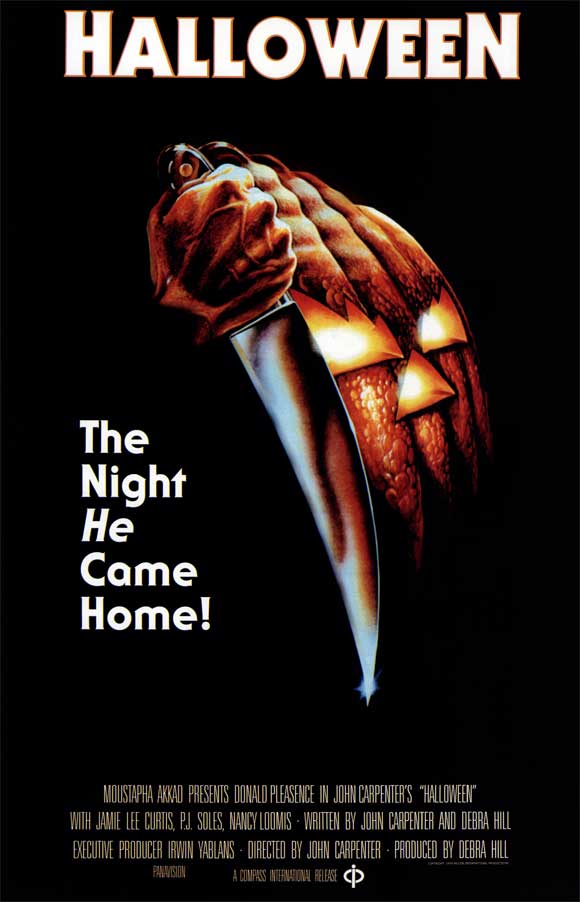
Happy Halloween! Your favorite film analysis podcast is back with the Halloween classic, John Carpenter's Halloween. Alex, Caleb and Dustin gather around the analysis table to wrap up Shocktober 2016 with this holiday classic. You may or may not be surprised by the hosts' reactions to the film. The review is made up of an interesting look at seminal works that get surpassed by time and innovation.
Thank you for joining us this month for our favorite annual marathon, Shocktober. We want to inform you that we will be taking a brief break. To properly prepare for Episode 200 and to work around schedules, we've decided to take a week off. We will return on November 14th with Episode 200. If you want to know what movie we're watching for that special episode, you'll have to listen to this week's episode. Trick or Treat, dear listener.
Halloween Timestamps
Oct 24, 2016
Oct 24, 2016
45 min
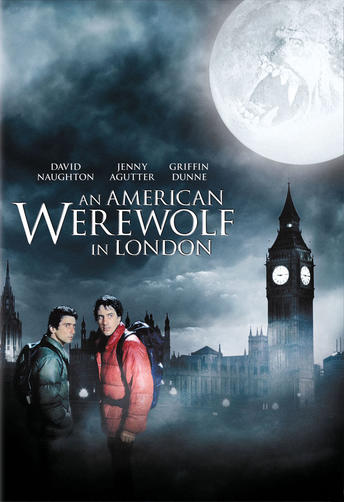
There is a bad moon rising this week as we take a look at An American Werewolf in London. The Shocktober Train chugs along. We decided to go back to the 80s and look at John Landis' comedy-horror classic. Besides, this year marks the 35th anniversary of its release. It's perfect timing. This week, the original trio of Arthur, Dalton, and Dustin sit at the table to break apart Werewolf.
On this week's show, the game may be one of our more ridiculous efforts. We try and pitch "Where in the World is an American Werewolf" movies. The answers are fun, and Dalton loves saying the name of the game. Afterwards, the full moon shines and we open the film up for analysis. Dustin runs a roundtable for this episode. The first question is in regards to sympathetic antagonists and why the protagonist in werewolf films often become the antagonist.
Next, Dustin questions the connection between sexuality and werewolf-ism. Dustin first draws allusions to sex and vampire, but is curious about the connection here. The gentlemen then move into a look at the Jewish themes running through the narrative. The idea of survivor’s guilt comes up as well. Also, Dustin makes Holocaust and War connections. A discussion of the history of the werewolf tale comes up as Arthur inquires as to why the UK has so many werewolves. Finally, the segment ends with a discussion of the other.
We don't know what happened after that. The next thing we remember is waking up naked at the zoo. Dalton stole some balloons from a child, it was a unique experience. Anyway, the moon is about to rise again, so you can hit that play button. We need some more aspirin for our headache.
An American Werewolf in London Timestamps
00:35 - Welcome and Introductions
03:15 - Synopsis and Reviews
10:43 - The Game - Where in the World is an American Werewolf
17:25 - Social Media
19:39 - Analysis
40:27 - Shelf or Trash/Else or Instead
43:43 - Wrap Up